On Poland’s Baltic coast, few cities tell a story of transformation as dramatic as Gdynia. Once a small Kashubian fishing village with around 1,200 inhabitants, Gdynia became, within less than two decades, one of Poland’s most important ports and a symbol of modern urban ambition.
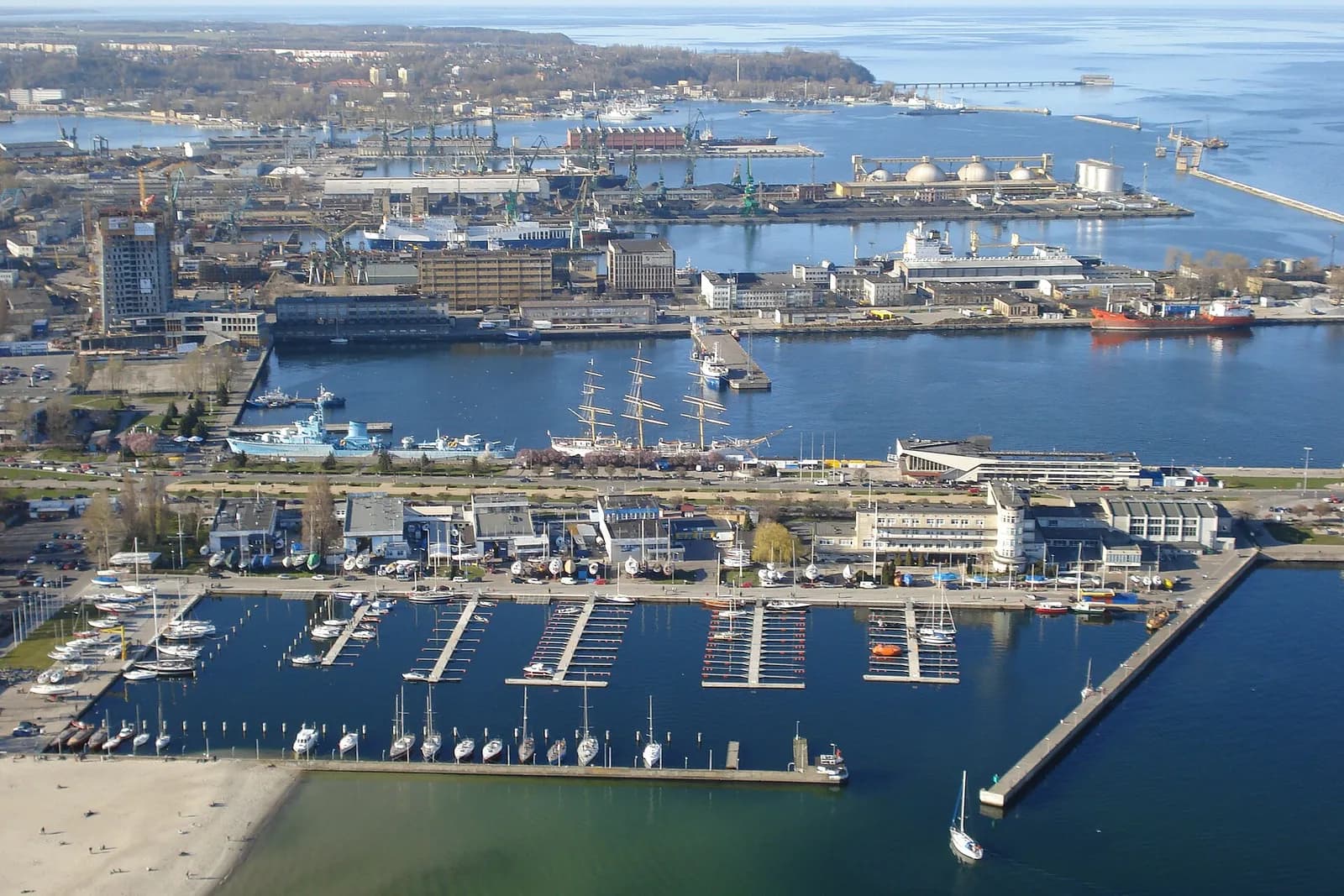
Its development was closely linked to Poland regaining independence after the First World War. With limited access to the port of the Free City of Gdańsk due to the political arrangements established after the war, Poland needed its own maritime gateway. Gdynia, with its favourable coastal location, was chosen as the site for a new port that would connect the country directly with the Baltic Sea.
Building a New Polish Port
In 1920, engineer Tadeusz Wenda identified Gdynia’s potential and played a key role in planning the construction of the new harbour. The scale of the project was ambitious, with the aim of creating a modern port capable of supporting Poland’s economic independence.
Construction progressed rapidly. New infrastructure attracted workers, businesses and their families, transforming the character of the settlement. In 1926, Gdynia officially received city status, and its population had already increased to around 12,000.
The growth of the port became one of the defining achievements of interwar Poland. Cargo handling increased from just over 400,000 tonnes in 1926 to almost three million tonnes by 1929. By 1934, Gdynia had become the largest port on the Baltic Sea by cargo volume, strengthening Poland’s position as a maritime nation.
During this period, the city gained the nickname “Polish America”, reflecting its rapid expansion, new opportunities and modern outlook.
A City Designed for the Future
Unlike many older European cities that developed gradually over centuries, Gdynia was deliberately planned as a modern city. Architects Roman Feliński and Adam Kuncewicz helped create an urban layout between 1925 and 1926 that separated residential, administrative, industrial and recreational areas.
The city became an important example of European modernist and Functionalist architecture. Its buildings, streets and public spaces reflected the optimism of the newly independent Polish state and its belief in progress through careful planning.
Gdynia’s modernist character remains one of its greatest assets today. The city centre preserves many examples of this architectural heritage, making Gdynia a unique destination for those interested in 20th-century urban design.
War and Reconstruction
By 1939, Gdynia’s population had grown to around 127,000, establishing it as a major Polish city and an important symbol of the country’s maritime ambitions.
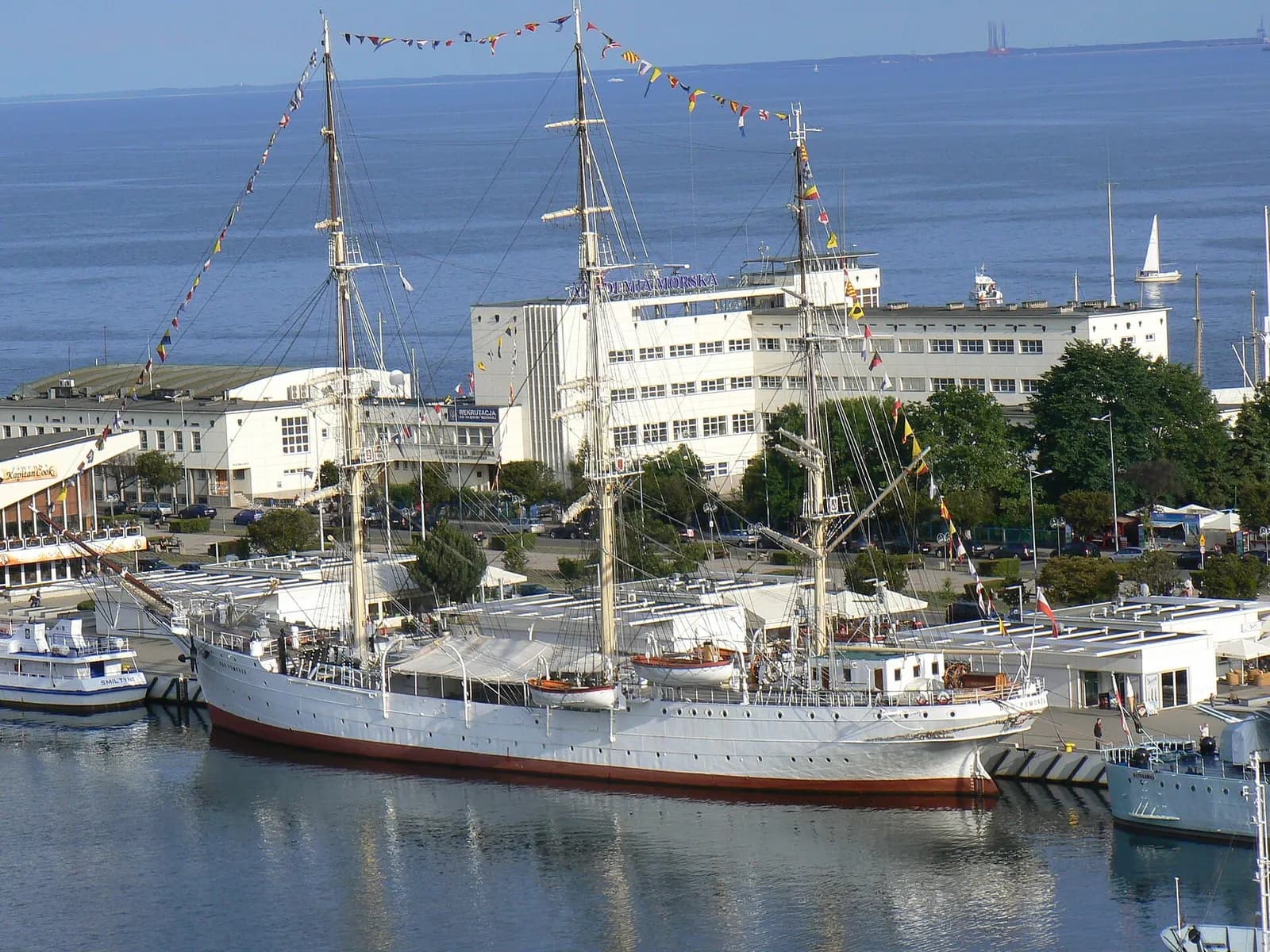
The Second World War brought severe destruction. The harbour and much of the city’s infrastructure suffered extensive damage during the occupation by Nazi Germany. However, reconstruction began after the war, and Gdynia quickly regained its role as a significant Baltic port and an important centre for the Polish Navy.
Gdynia’s Modernist Heritage Today
Today, Gdynia’s city centre continues to reflect the vision behind its creation. In 2015, the downtown area was recognised as a historical monument of Poland, highlighting the importance of its modernist urban landscape.
The city has also been considered for inclusion on the UNESCO World Heritage List, recognising Gdynia’s significance as an example of early 20th-century urban planning and architecture.
For residents and visitors alike, Gdynia offers more than a beautiful seaside setting. Its streets, buildings and harbour tell the story of a city created through determination, innovation and a belief in the future.
A Legacy Built on Vision
Gdynia’s journey from a quiet fishing village to a thriving Baltic city remains one of Poland’s most remarkable examples of planned development. Its history reflects the connection between national ambition, maritime strength and modern architecture, creating a legacy that continues to shape the city today.
Tags: Gdynia history, Gdynia port, Polish Baltic coast, Kashubia, Modernist architecture, Gdynia city development, Polish maritime history, interwar Poland, Tadeusz Wenda, Gdynia modernism, UNESCO World Heritage, Polish Navy, Baltic Sea cities